


Generate OpenAPI 3.0, 3.1, and 3.2 from the routes and schemas you already have.
next-openapi-gen scans Next.js, TanStack Router, and React Router route handlers, reads JSDoc metadata, and generates an OpenAPI spec plus an optional docs UI. It is built for real codebases that use Zod, TypeScript, drizzle-zod, or reusable OpenAPI fragments, including mixed-schema migrations.
Quick start • Docs index • Example apps • Validation and coverage
- Keep OpenAPI close to your handlers instead of maintaining a separate manual spec.
- Reuse existing
zod,typescript,drizzle-zod, and YAML/JSON OpenAPI fragments in one pipeline. - Target
3.0,3.1, or3.2from the same route metadata with version-aware finalization. - Ship interactive docs quickly with built-in UI scaffolding for Scalar, Swagger, Redoc, Stoplight Elements, or RapiDoc.
- Fall back on checker-assisted App Router response inference when explicit
@responsetags are missing. - Keep richer Zod 4 and TypeScript output in modern targets with selective runtime-assisted Zod export and checker fallback for advanced type constructs.
- Node.js
>=24 - A supported app framework:
- Next.js using App Router or Pages Router
- TanStack Router
- React Router
pnpm add -D next-openapi-gennpm install --save-dev next-openapi-genyarn add --dev next-openapi-gen# Next.js is the default framework
pnpm exec openapi-gen init
# Or choose another supported framework
pnpm exec openapi-gen init --framework tanstack
pnpm exec openapi-gen init --framework react-router
# Scans your routes and writes the spec once
pnpm exec openapi-gen generate
# Keeps the spec fresh during local development
pnpm exec openapi-gen generate --watchTip
Use --ui none during init if you only want the generated OpenAPI file.
The package name is still next-openapi-gen during the transition. Config
discovery also accepts the new openapi-gen.config.ts and
openapi-gen.config.json aliases, while next-openapi.config.* and
next.openapi.json continue to work with deprecation warnings. The legacy
next-openapi-gen binary still works too, but openapi-gen is the preferred
CLI name going forward.
Need the full setup flow, config walkthrough, or production notes? See docs/getting-started.md.
next.openapi.jsonin your project rootpublic/openapi.jsonby default/api-docswith your selected UI provider by default
| Framework | Setup path | Notes |
|---|---|---|
| Next.js | pnpm exec openapi-gen init |
Supports App Router and Pages Router |
| TanStack Router | pnpm exec openapi-gen init --framework tanstack |
Uses the public next-openapi-gen/vite plugin surface |
| React Router | pnpm exec openapi-gen init --framework react-router |
Uses the public next-openapi-gen/react-router plugin surface |
import { NextRequest } from "next/server";
import { z } from "zod";

export const ProductParams = z.object({
  id: z.string().describe("Product ID"),
});

export const ProductResponse = z.object({
  id: z.string(),
  name: z.string(),
  price: z.number().positive(),
});

/**
 * Get product information
 * @description Fetch a product by ID
 * @pathParams ProductParams
 * @response ProductResponse
 * @openapi
 */
export async function GET(request: NextRequest, { params }: { params: { id: string } }) {
  return Response.json({ id: params.id, name: "Keyboard", price: 99 });
}| Capability | Why it matters |
|---|---|
| Framework-aware route scanning | Covers Next.js, TanStack Router, and React Router with one generator and shared docs story. |
| Mixed schema sources | Combine zod, typescript, schemaFiles, and drizzle-zod-backed schemas during gradual migrations. |
OpenAPI 3.0 / 3.1 / 3.2 targets |
Keep one authoring flow while emitting version-aware output for newer spec features. |
| Response inference | Infer typed App Router responses when @response is omitted, while still letting explicit tags win. |
| Docs UI scaffolding | Generate a docs page fast instead of stopping at a JSON file. |
Use one schema system if your app is already consistent:
{
  "schemaType": "zod",
  "schemaDir": "src/schemas"
}Use multiple schema types in the same project when you are moving from TypeScript to Zod or merging generated and hand-authored schemas:
{
  "schemaType": ["zod", "typescript"],
  "schemaDir": "./src/schemas",
  "schemaFiles": ["./schemas/external-api.yaml"]
}
Resolution priority is:
schemaFileszodtypescript
See apps/next-app-mixed-schemas for a full working example. For more adoption patterns, see docs/workflows-and-integrations.md.
When you target modern OpenAPI output, the Zod path can also split request and response component refs when a supported Zod 4 schema emits different input and output JSON Schema shapes, while the TypeScript path can use selective checker fallback for mapped, conditional, template-literal, and import-based named types.
Use .describe() for a quick description, or Zod v4's .meta() to attach description, examples, example, deprecated, title, and custom x-* extensions without any JSDoc:
// .describe() → description field
z.string().describe("ISO 639-1 language code");
// → { type: "string", description: "ISO 639-1 language code" }

// .meta() → description + examples (and any other OpenAPI key)
z.number()
  .int()
  .positive()
  .meta({
    description: "PIM ID of the slider",
    examples: [42, 1337],
  });
// → { type: "integer", exclusiveMinimum: 0, description: "PIM ID of the slider", examples: [42, 1337] }
Both work inside z.object({...}) properties, in drizzle-zod override callbacks, and at the top level of named schemas. See docs/zod4-support-matrix.md for the full supported metadata surface.
next-openapi-gen works well with drizzle-zod, so your database schema, validation, and API docs can share the same source of truth.
import { createInsertSchema, createSelectSchema } from "drizzle-zod";
import { posts } from "@/db/schema";

export const CreatePostSchema = createInsertSchema(posts, {
  title: (schema) => schema.title.min(5).max(255),
  content: (schema) => schema.content.min(10),
});

export const PostResponseSchema = createSelectSchema(posts);
See apps/next-app-drizzle-zod for the full CRUD example.
If you omit @response, App Router handlers can infer responses from typed NextResponse.json(...) and Response.json(...) returns.
import { NextResponse } from "next/server";

type SearchResponse = {
  total: number;
};

/**
 * Search events
 * @responseDescription Search result
 * @openapi
 */
export async function POST(): Promise<NextResponse<SearchResponse>> {
  return NextResponse.json({ total: 3 });
}
Explicit @response tags still take precedence when you want stable schema names or exact response codes.
init creates a next.openapi.json file like this:
{
  "openapi": "3.0.0",
  "info": {
    "title": "Next.js API",
    "version": "1.0.0",
    "description": "API generated by next-openapi-gen"
  },
  "apiDir": "src/app/api",
  "routerType": "app",
  "schemaDir": "src/schemas",
  "schemaType": "zod",
  "schemaFiles": [],
  "outputFile": "openapi.json",
  "outputDir": "./public",
  "docsUrl": "api-docs",
  "includeOpenApiRoutes": false,
  "ignoreRoutes": [],
  "debug": false
}
Version guidance:
- Use
3.0.0when you want the broadest downstream tooling compatibility. - Use
3.1.0when you want JSON Schema 2020-12-aligned output such asjsonSchemaDialect. - Use
3.2.0when you want first-classquerystring, enhanced tag metadata, sequential media, and richer example objects.
| Option | Purpose |
|---|---|
openapi |
Target 3.0.0, 3.1.0, or 3.2.0 output |
apiDir |
Route directory to scan |
routerType |
"app" or "pages" |
schemaDir |
Directory or directories to search for schemas/types |
schemaType |
"zod", "typescript", or both |
schemaFiles |
YAML/JSON OpenAPI fragments to merge into the generated document |
includeOpenApiRoutes |
Only include handlers tagged with @openapi |
ignoreRoutes |
Exclude routes with wildcard support |
defaultResponseSet / responseSets |
Reusable error-response groups |
errorConfig |
Shared error schema templates |
For a fuller setup guide, Pages Router notes, response sets, and route exclusion patterns, see docs/getting-started.md.
| Tag | Purpose |
|---|---|
@pathParams |
Path parameter schema or type |
@params / @queryParams |
Query parameter schema or type |
@header / @cookie |
Header / cookie parameter schema or type |
@body |
Request body schema or type |
@response |
Response schema, code, and optional description |
@responseDescription |
Response description without redefining the schema |
@responseHeader |
Add a response header to a given status code |
@link |
Add an OpenAPI link to a response |
@auth / @security |
Security requirement(s); @security accepts explicit scopes |
@servers |
Operation-level servers |
@externalDocs |
Operation-level external documentation |
@callback |
OpenAPI operation callback |
@webhook |
Mark the handler as a webhook (3.1+ webhooks section) |
@contentType |
Request content type such as multipart/form-data |
@examples |
Request, response, and querystring examples |
@openapi |
Explicit inclusion marker when includeOpenApiRoutes is enabled |
@openapi-override |
Deep-merge extra OpenAPI fields onto the operation |
@ignore |
Exclude a route from generation |
@method |
Required HTTP method tag for Pages Router handlers |
For the complete tag guide and usage recipes, see docs/jsdoc-reference.md.
OpenAPI 3.2-specific tags such as @querystring, @tagSummary, @tagKind,
and sequential media annotations are documented in the same guide and shown in
apps/next-app-zod.
| Area | Support |
|---|---|
| Frameworks | Next.js, TanStack Router, React Router |
| Next.js routers | App Router and Pages Router |
| OpenAPI targets | 3.0, 3.1, 3.2 |
| Schema sources | zod, typescript, drizzle-zod output, YAML/JSON fragments |
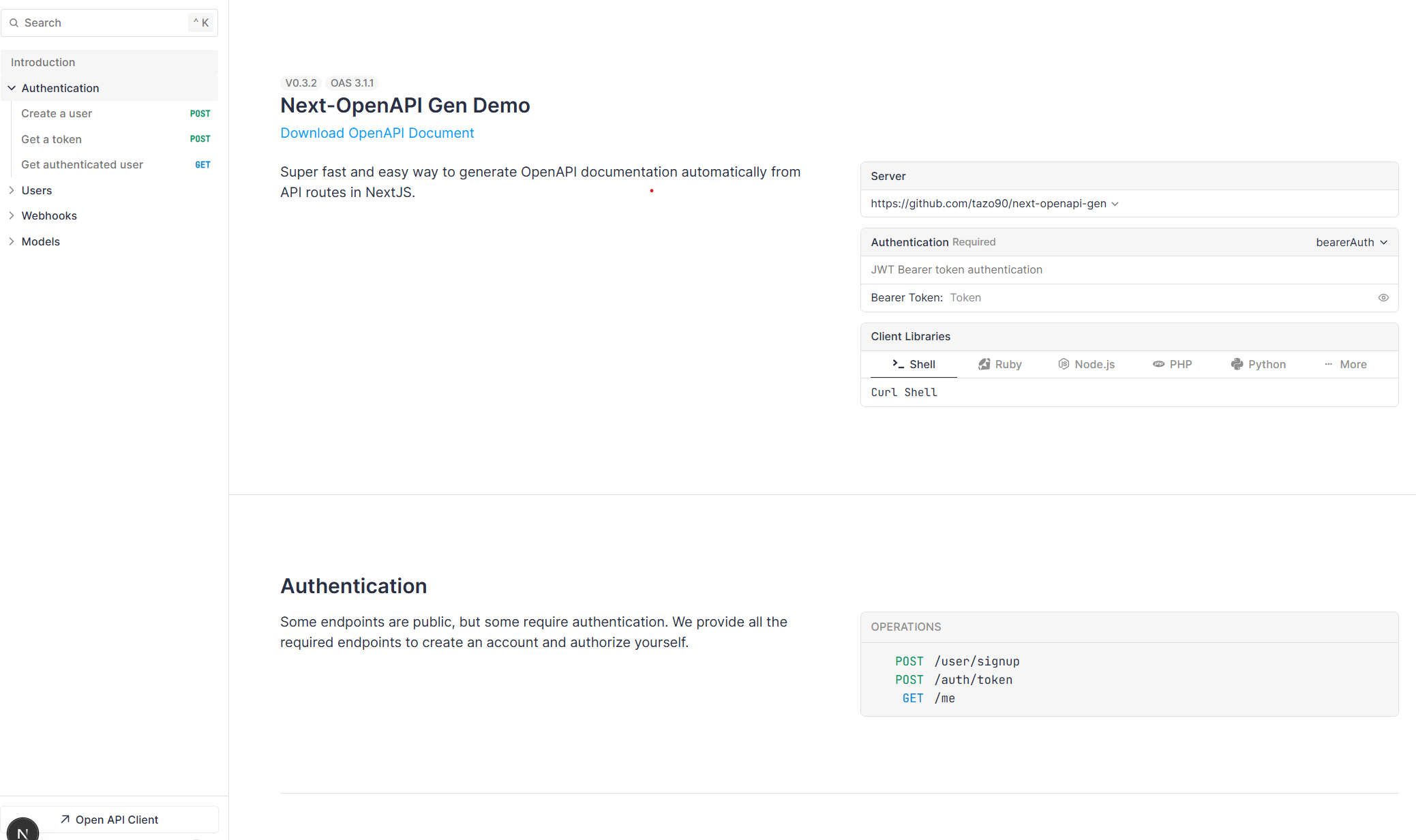
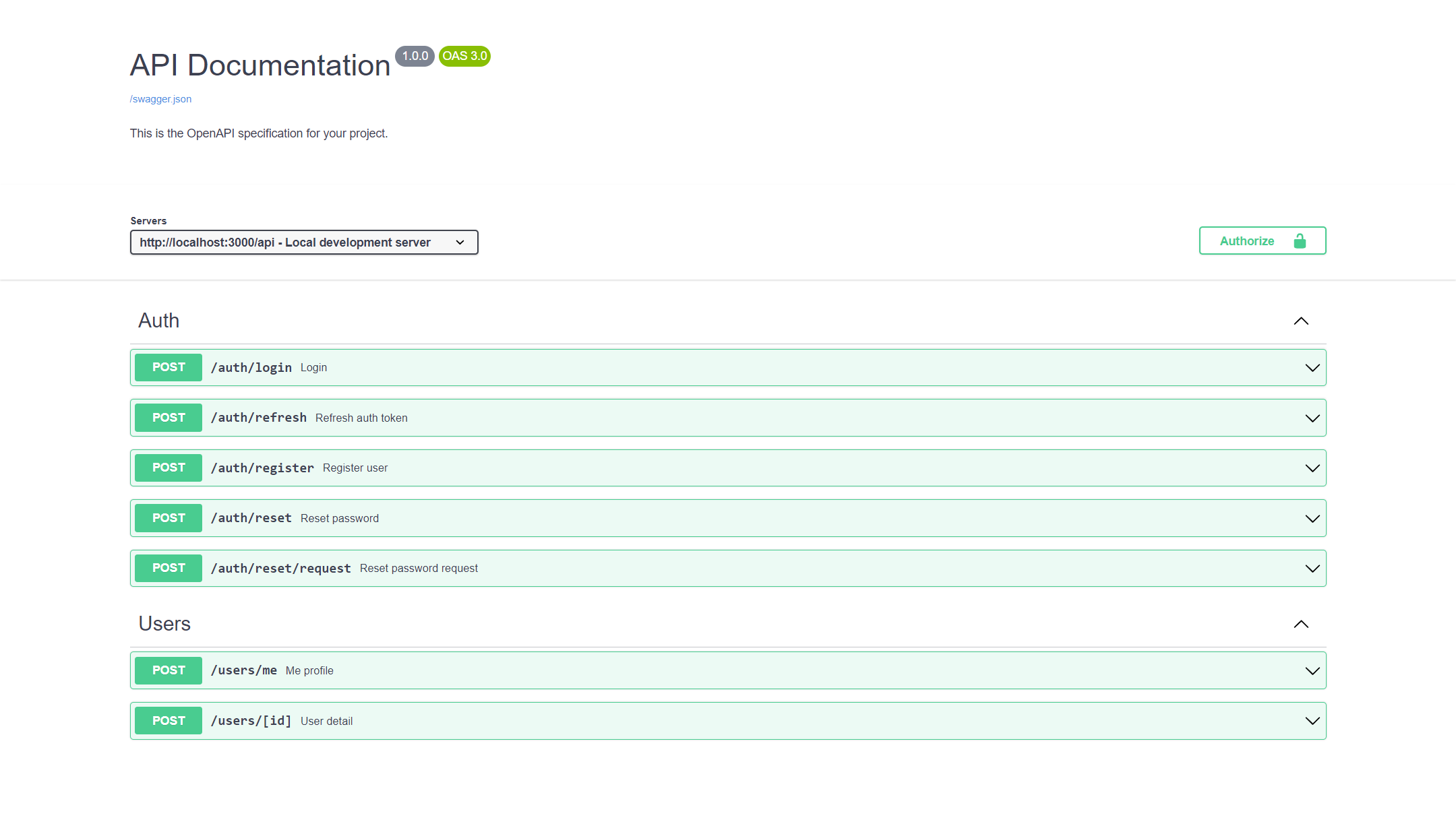
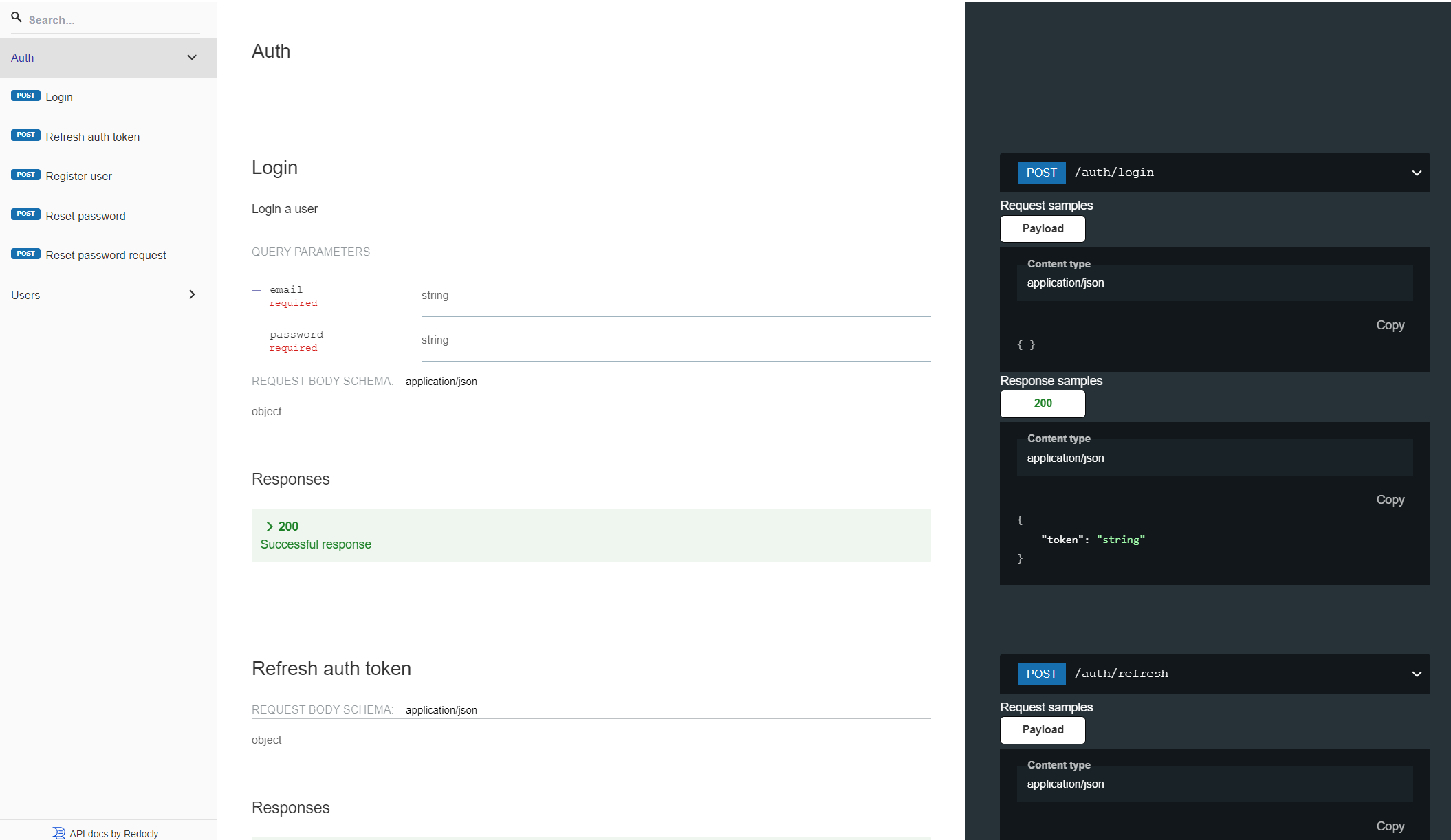
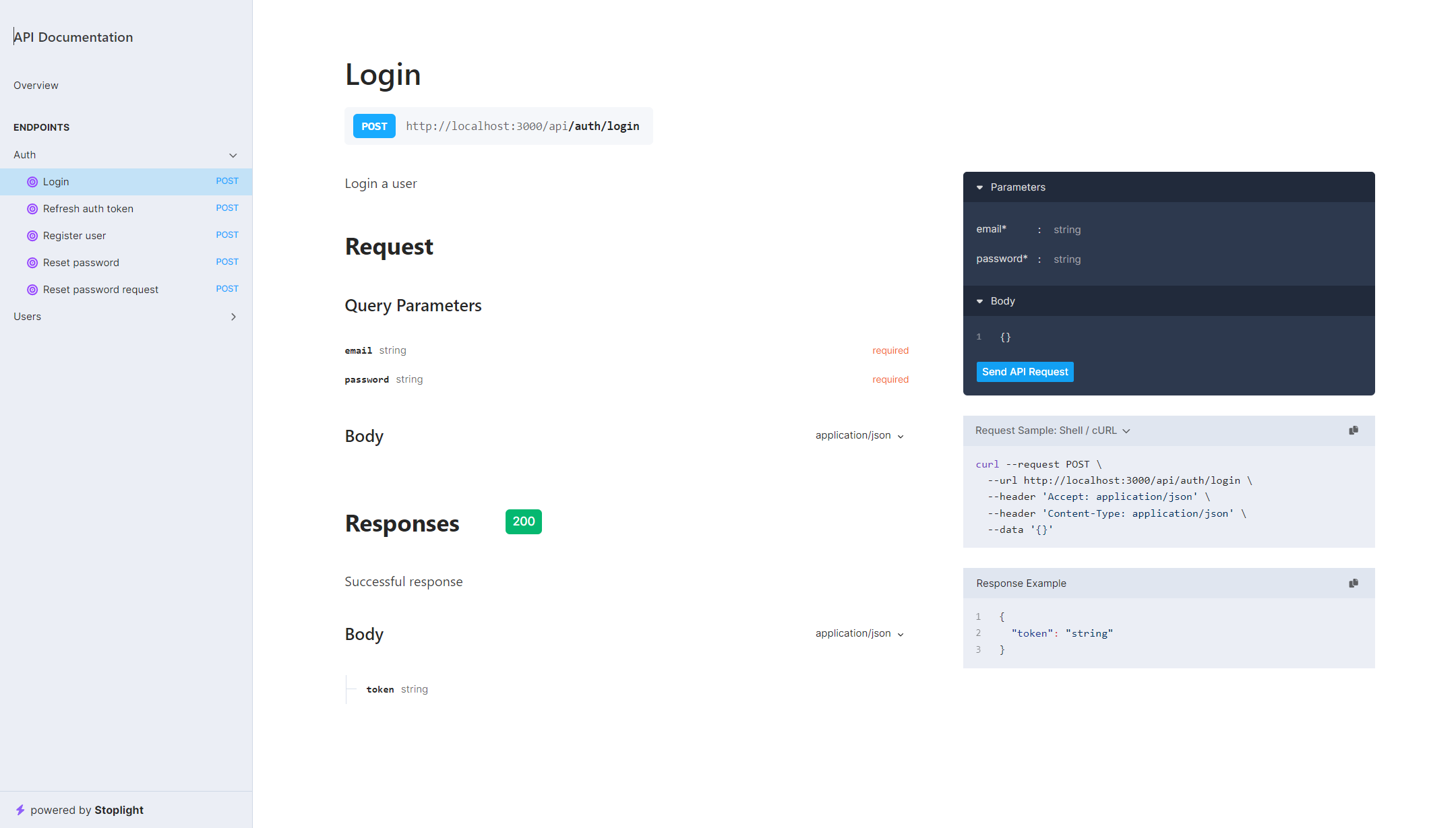
| Docs UIs | Scalar, Swagger, Redoc, Stoplight Elements, RapiDoc |
For Pages Router projects, set routerType to "pages" and annotate handlers with @method. See apps/next-pages-router.
For the supported Zod 4 surface and known gaps, see docs/zod4-support-matrix.md.
Use the integration that matches your framework:
next-openapi-gen/next: Next.js adapter helpers such ascreateNextOpenApiAdapternext-openapi-gen/vite: Vite plugin surface used by the TanStack example appnext-openapi-gen/react-router: React Router plugin surface
The main package export also exposes generateProject, watchProject, and
config helpers when you want to script generation directly.
Use the checked-in examples to evaluate the tool in realistic setups:
- apps/next-app-zod: Zod-first App Router example
- apps/next-app-next-config: typed config example targeting OpenAPI
3.1 - apps/next-app-typescript: TypeScript-first example
- apps/next-app-mixed-schemas: mixed schema migration example
- apps/next-app-drizzle-zod: Drizzle + drizzle-zod CRUD example
- apps/next-app-sandbox: edge-case route and exclusion playground
- apps/next-app-ts-config: typed config loading example
- apps/next-app-adapter: Next adapter integration smoke example
- apps/next-pages-router: legacy Pages Router support
- apps/tanstack-app: TanStack Router framework parity example
- apps/react-router-app: React Router framework parity example
- apps/next-app-scalar, apps/next-app-swagger: docs UI variants
pnpm install
cd apps/next-app-zod
pnpm exec openapi-gen generate
pnpm dev
Then open http://localhost:3000/api-docs.
This repo is not just a demo. The CI pipeline covers:
- formatting and linting
- workspace builds
- unit tests
- integration tests
- coverage reporting
- Playwright E2E runs across an app matrix
For the detailed version matrix and validation notes, see:
The checked-in examples intentionally span different goals: most apps stay on
3.0 as the conservative default, apps/next-app-next-config demonstrates a
typed 3.1 config, and apps/next-app-zod showcases richer 3.2 route and
document features.
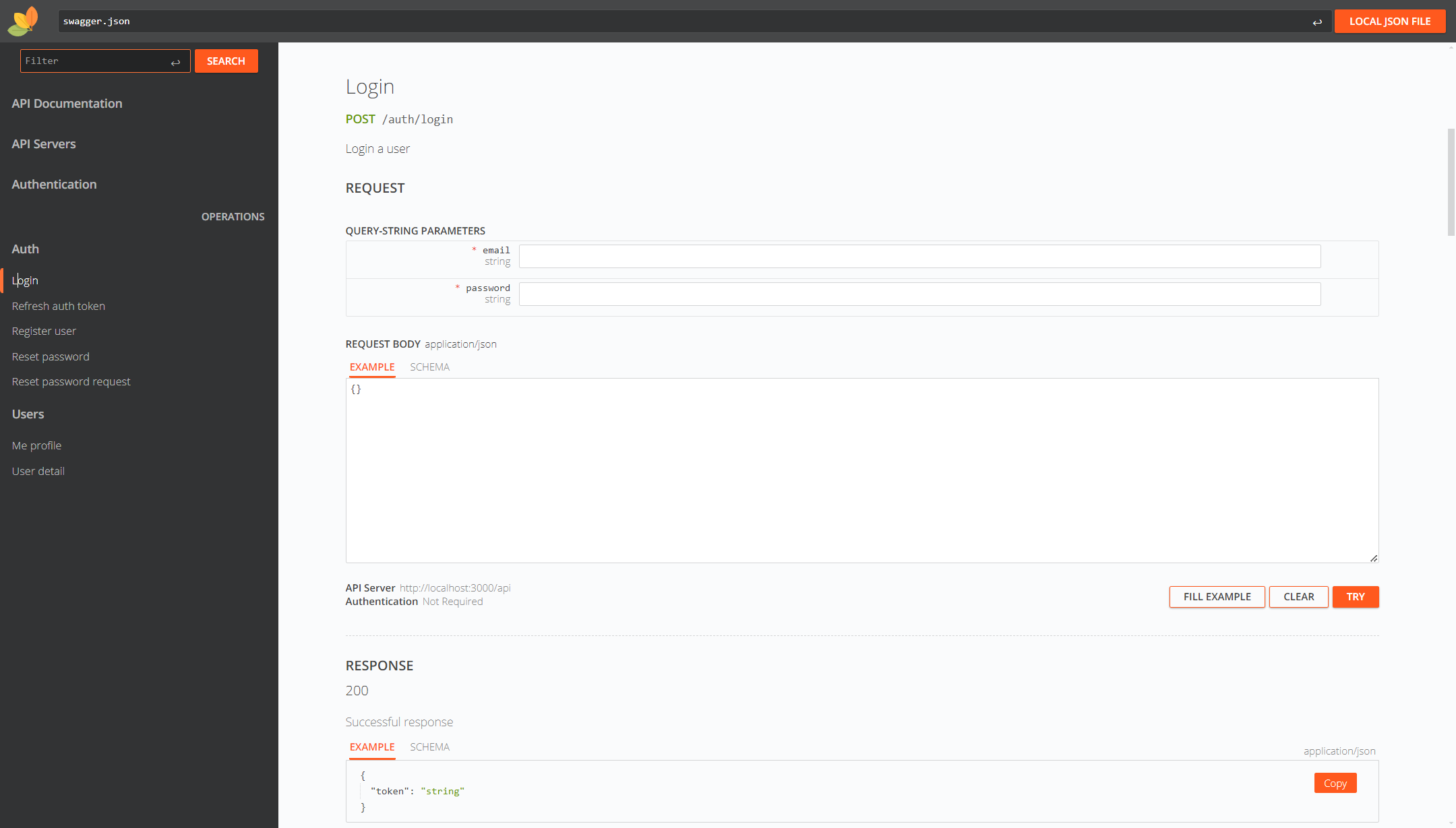
| Scalar | Swagger | Redoc | Stoplight Elements | RapiDoc |
|---|---|---|---|---|
 |
 |
 |
 |
 |
Use these deeper references when you need more than the quick start:
- docs/README.md: docs index
- docs/getting-started.md: setup, config, framework defaults, watch mode, and production notes
- docs/jsdoc-reference.md: full route tag reference and examples
- docs/workflows-and-integrations.md: framework integrations, mixed schemas, drizzle-zod, and downstream workflows
- docs/faq.md: troubleshooting and common questions
- docs/openapi-version-coverage.md: version-specific behavior, validation strategy, and generated vs preserved fields
- docs/zod4-support-matrix.md: tested Zod 4 coverage and known boundaries
- docs/example-app-coverage-plan.md: example app roles, coverage goals, and expansion roadmap
- apps: complete runnable examples
pnpm exec openapi-gen init
pnpm exec openapi-gen generate
pnpm exec openapi-gen generate --watch| Option | Choices | Default |
|---|---|---|
--framework |
next, tanstack, react-router |
next |
--ui |
scalar, swagger, redoc, stoplight, rapidoc, none |
scalar |
--schema |
zod, typescript |
zod |
--docs-url |
any string | api-docs |
--output |
any path | next.openapi.json |
| Option | Purpose |
|---|---|
--config |
Use a specific config file |
--template |
Merge a specific OpenAPI template or fragment |
--watch |
Regenerate when routes or schema files change |
Contributions are welcome. See CONTRIBUTING.md for setup, commit conventions, and workflow details.
See CHANGELOG.md for release history and recent changes.
MIT