Filtering Third Party Domains from FLD's (Full Legth Domains)
Third Party Domains are defined as web pages or url’s visited on through the main page that is accessed by a user. In this context, a user’s end device is often called as the second party, and the main page where the ,’third party is parked’, is called the first party.
It refers to separating the first party or the intended page that is being visited by the user, from the third party url’s.
It refers to the HAR format which contains information about third party domains visited for a particular page, which in our example would be the official Macy’s and CNN websites.
It refers to the rules generated to achieve Ad-blocking. They are implemented as a list, with each list being implemented as an and-or statements of simple statements, such as given as:
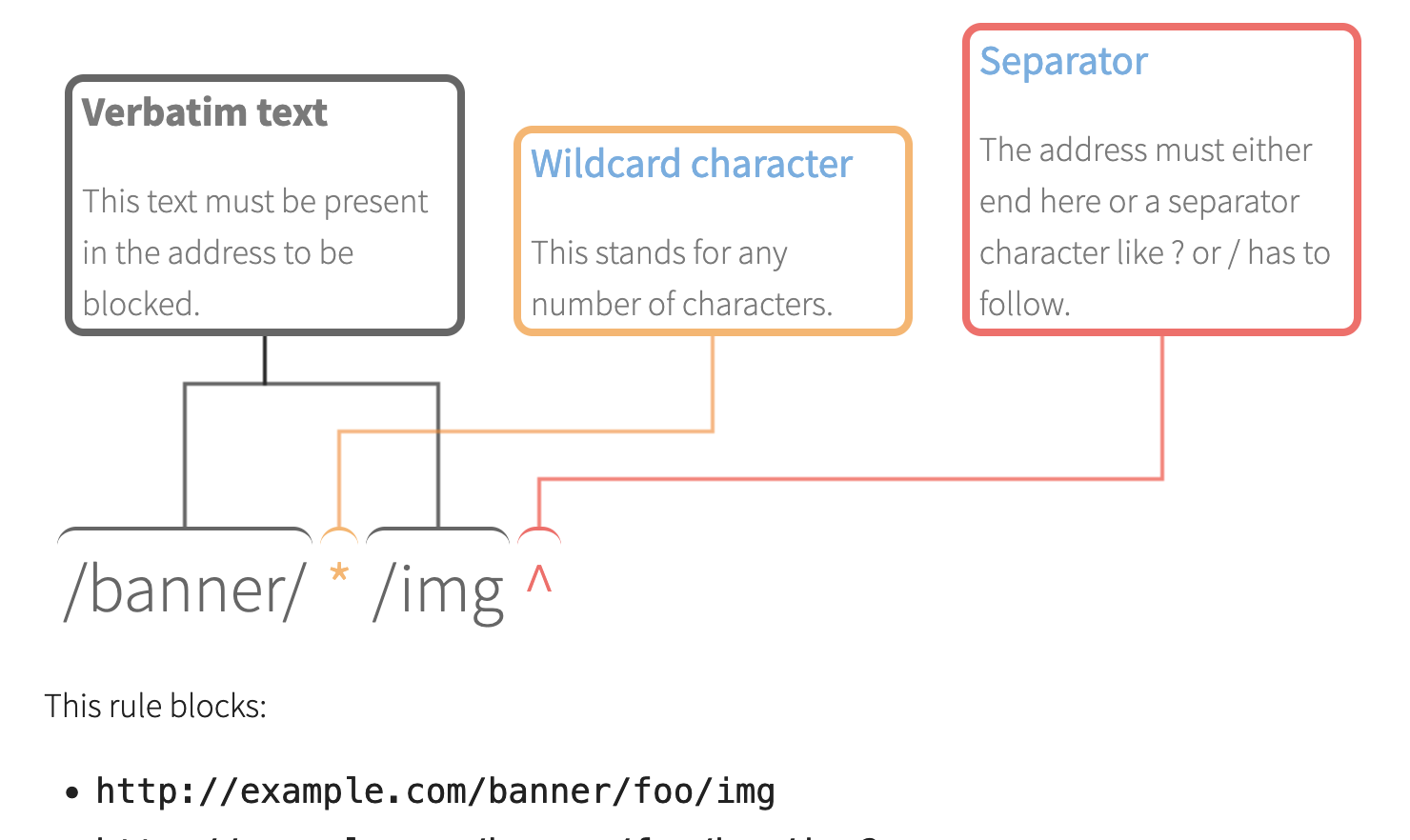
Source Filter-Rules
- Make sure to have Python 3.X installed (Here X represents any variant of Python 3, such as Python 3.11)
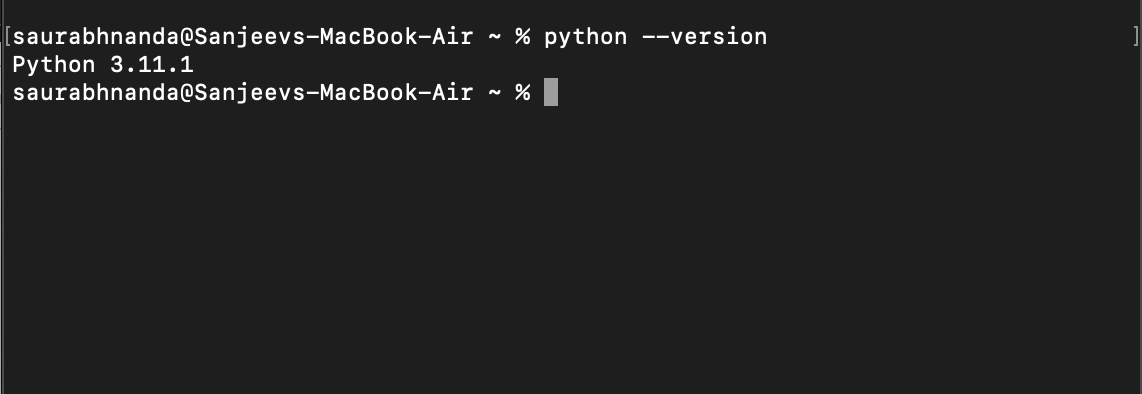
- To check what version of python your system has, open a command line tool such as terminal or cmd and type:
$ python --version
and you should get the following output:
3.Install tld package using:
$ pip install tld
And you would get an output similar to shown below:

The output is threefold. The first part calculates the number of third party domains visited from the list of rules created by us in the raw rules. These raw rules can be edited as shown in the above section. The output would be printed as:
- Lists the number of domains blocked on the website pages
- Lists the intersection of domains, that is, common domains present on multiple websites. This helps one see common trackers and ad - tracking patterns.
- Lists the number of domains blocked if we use an external filter list and not our raw rules.